Your first game: the rules that keep play flowing
Learn the two-bounce rule, kitchen, serving sequence and traditional scoring with a simple on-court rehearsal.
Understand the job.
Start with the rules your next rally actually needs. Learn where the serve goes, let the opening two shots bounce, and distinguish a volley from a shot played after a bounce. Agree the scoring format before starting; this lesson uses traditional doubles side-out scoring.
Ready-position movement study
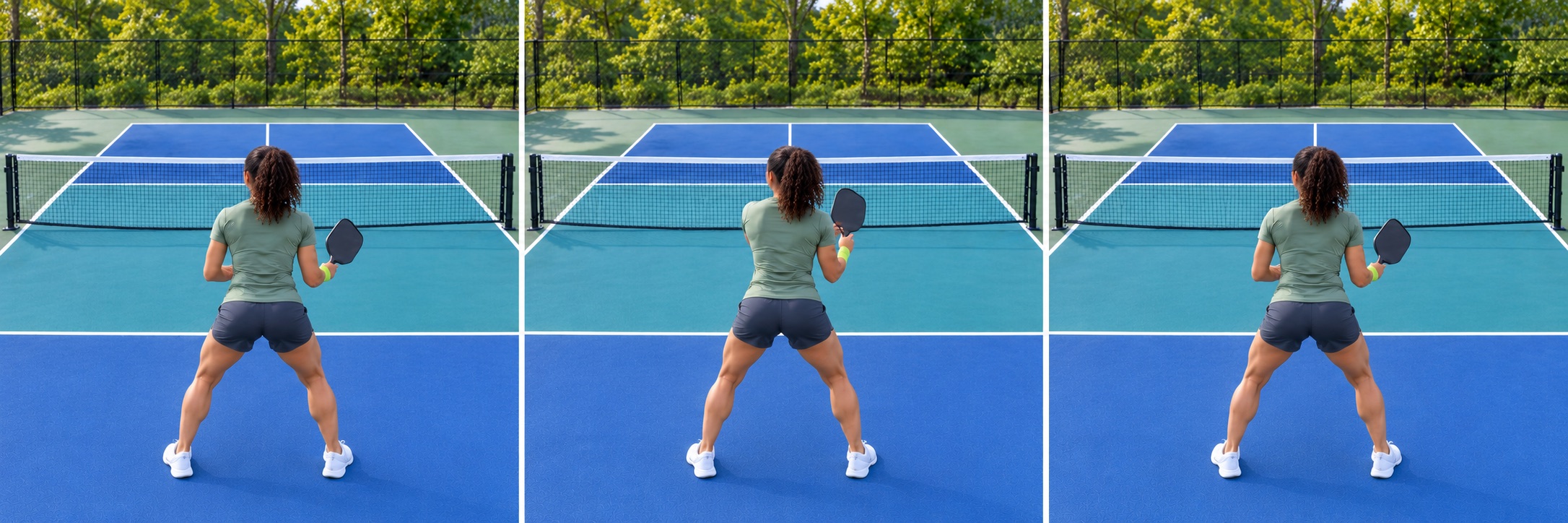
AI-generated movement study showing a fictional player from behind, facing the net. The lime band identifies the same right paddle wrist in every frame. Two-handed backhands add the bare left hand above the right on the handle. Use the written steps for technique and official rules for legality. Left-handed players reverse side-specific cues where appropriate.
Position, contact, recovery.
Where the movement starts
Face the net with room to move either way. At the kitchen, leave your shoes clear of the non-volley-zone line. A ready stance at the baseline can be lower and wider; do not copy one fixed paddle height for every situation.
Read the contact
Keep the paddle in the same dominant hand. A light touch from the other hand may support preparation without changing which hand grips the handle. Start with a comfortable handshake hold, then use gentle feeds to test both sides.
Check it with a partner
Ask a partner to alternate sides without warning. If you first have to untuck the paddle or uncross your feet, adjust your starting position. Readiness is the ability to respond, rather than a pose held for a photograph.
Official court dimensions ↗Step by step.
- 01
Rehearse the opening
Serve diagonally beyond the kitchen. The receiver lets the serve bounce; the serving team lets the return bounce. Only then are volleys available. Walk through this slowly before keeping score.
- 02
Understand the kitchen
You may enter the kitchen to play a ball after it bounces. A volley requires you to stay clear of the kitchen and its line, including momentum after contact. Leaving the kitchen requires re-establishing both feet outside before volleying.
- 03
Say the score together
In traditional doubles, call server score, receiver score, then server number. The first service turn starts 0–0–2. Usually play to 11, win by two, unless the event uses another format.
When it goes wrong.
Rushing the return
Stay back long enough to let the return bounce when your team serves.
Treating the kitchen as forbidden ground
Distinguish a bounce shot from a volley instead of avoiding the zone completely.
Walk through the first three shots
A suggested BracketReady practice task. The counts are your observations, not a skill-rating test.
Set it up
Four players, one ball and an agreed traditional scoring format.
Do the work
Rehearse 12 rally starts. Before each shot, the hitter says “bounce” or “volley allowed”. Stop and restart any sequence that becomes confusing.
Count this
Rally starts with the correct bounce decisions and score call. Record attempts and target hits using the same definition throughout.
Log this practice in Matchday ↗Sign in to save. Existing practice-log allowances apply. Log sessions you actually completed.Make it fit your level.
Walk without hitting, pointing to the required bounce locations.
Rotate server roles after each simulated fault and explain the next score.
Keep score for a short game, checking the correct server and receiver before every serve.
Know what you are reading.
Original BracketReady explanation and practice design from the BracketReady learning desk, with the technique reference below. For individual technique feedback, work with a qualified coach.
Photo sequences use a consistent fictional player, wardrobe, equipment and court. Some guides share a relevant movement study; the written lesson explains the specific variation.
References checked 23 October 2026. Event rules and official updates take precedence.
Your next useful read.
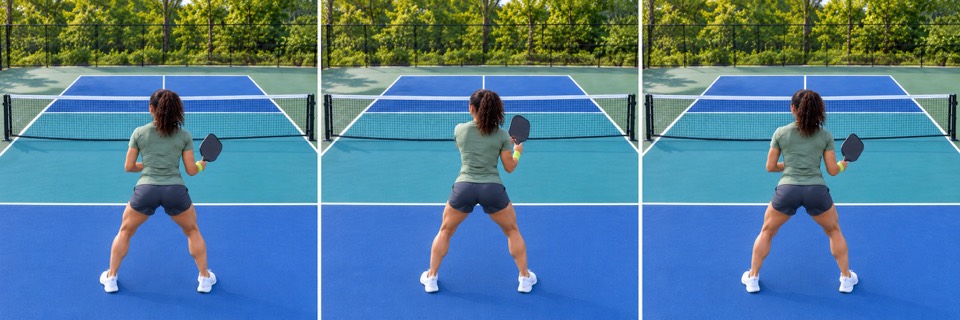
Find a comfortable grip and ready position
Build a relaxed paddle hold, usable contact space and a balanced base for forehands, backhands and kitchen exchanges.
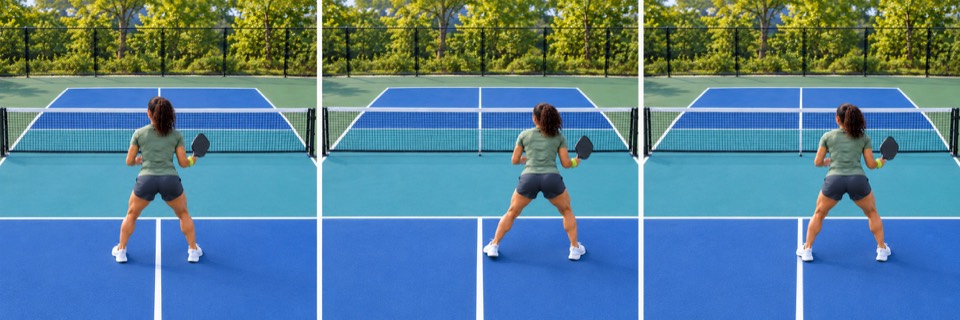
Footwork: arrive balanced for the next ball
Practise small adjustment steps, a modest split step and recovery without running through contact.
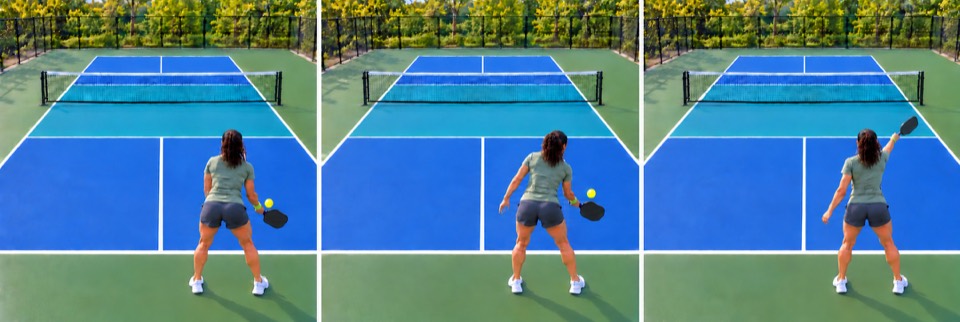
Build a repeatable underhand volley serve
Learn a simple legal volley-serve routine, comfortable contact and generous diagonal targets.