30-minute beginner partner session
A simple shared practice for a legal serve, comfortable groundstrokes and a cooperative soft game.
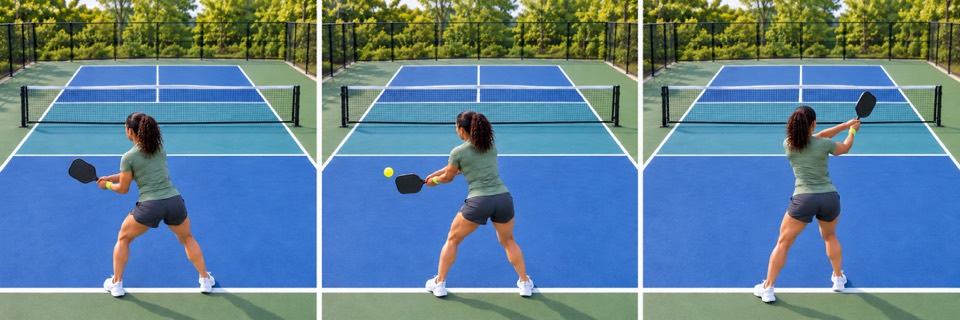
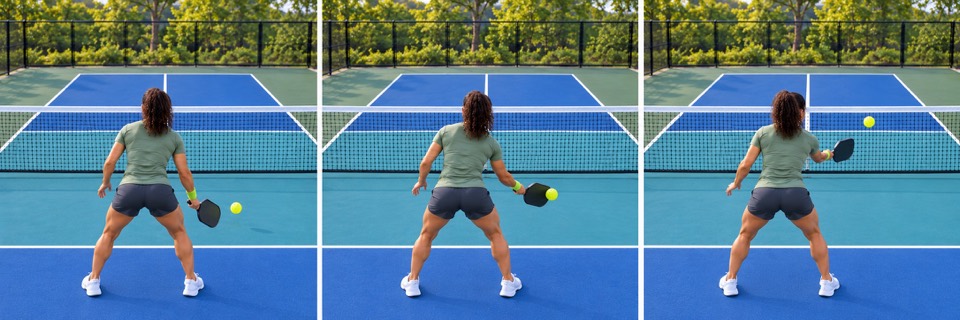
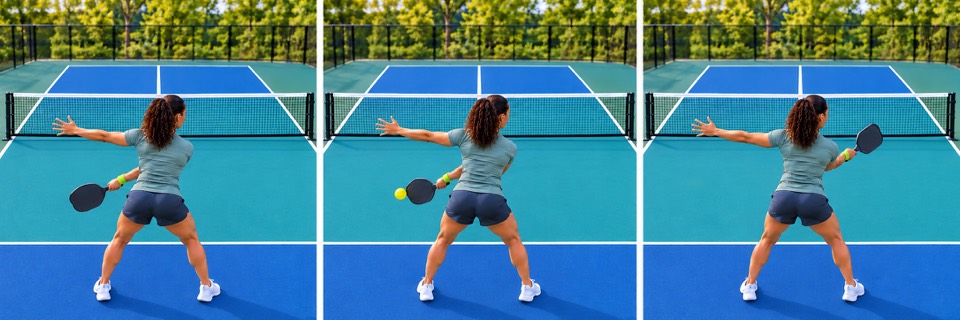
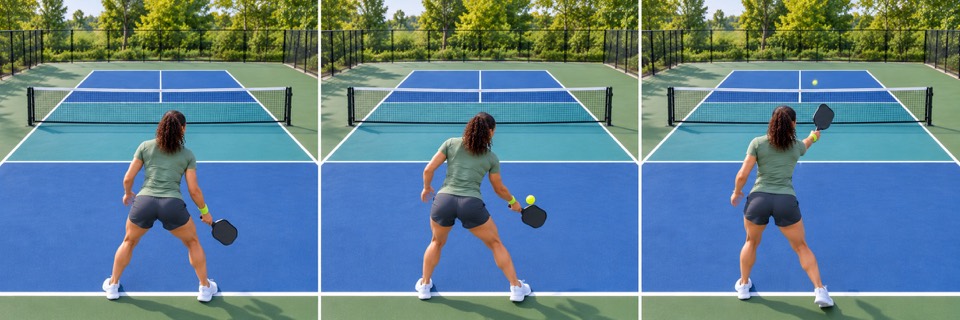
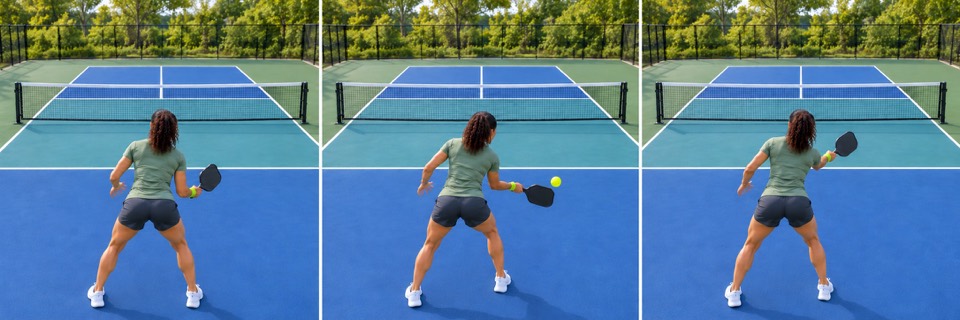
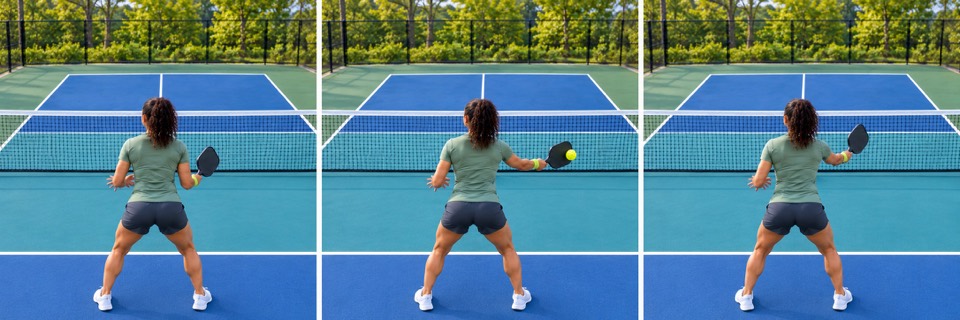
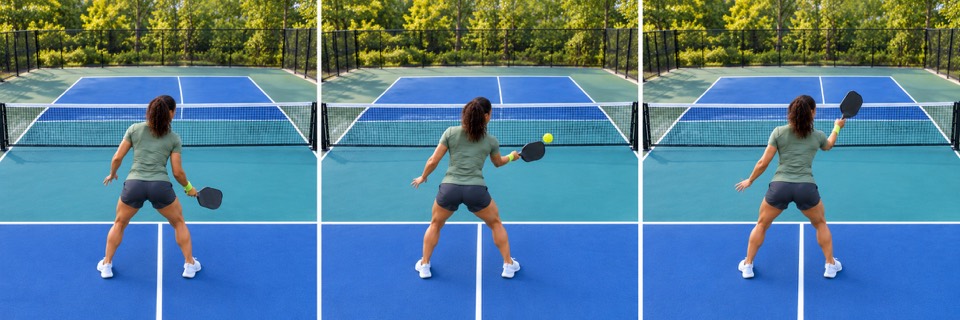
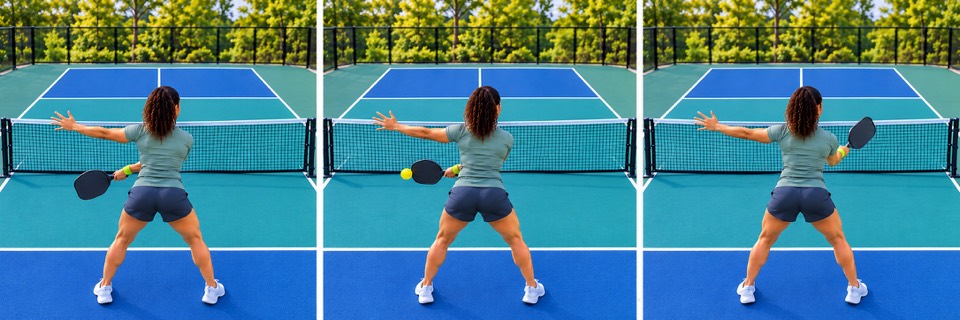
First games / beginnerOpen timed session ↗How do I improve my pickleball backhand? Start with a useful feed, a clear target and a partner who knows the job. These free drills give you all three, plus a solo variation.
Solo, two partners or a team of four.
A timer and checklist keep the plan moving.
A simple shared practice for a legal serve, comfortable groundstrokes and a cooperative soft game.
First games / beginnerOpen timed session ↗Connect forehand and backhand dinks to a deliberate attack choice and a ready counter.
Improver / intermediateOpen timed session ↗Work from a manageable drop to a baseline third shot, then connect transition resets and the fifth ball.
Improver / intermediateOpen timed session ↗A four-player session for return depth, third-shot quality and coverage after a kitchen attack.
Intermediate / advancedOpen timed session ↗Test return, third-to-fifth patterns and counter readiness before short games from pressure scores.
Advanced / competitiveOpen timed session ↗A practical solo court session for serve targets, groundstroke spacing and a soft drop without a partner.
Beginner / improverOpen timed session ↗24 drills. Free to use; no account needed.
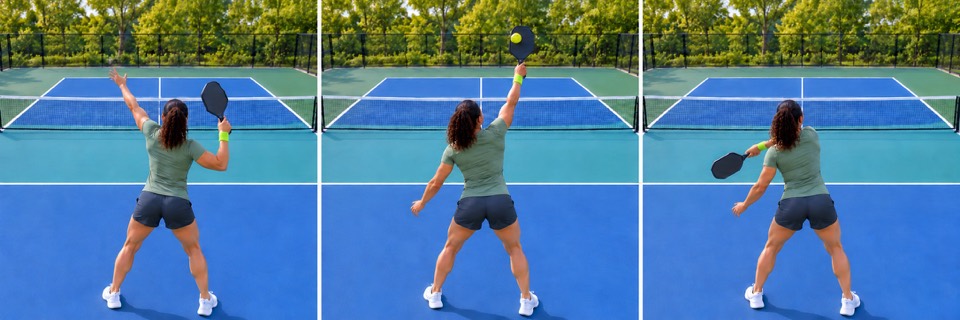
Build a serve you can trust at the start of a close game. This partner session separates a legal, repeatable start from the temptation to chase speed. Keep the target broad enough to show whether your routine is working.
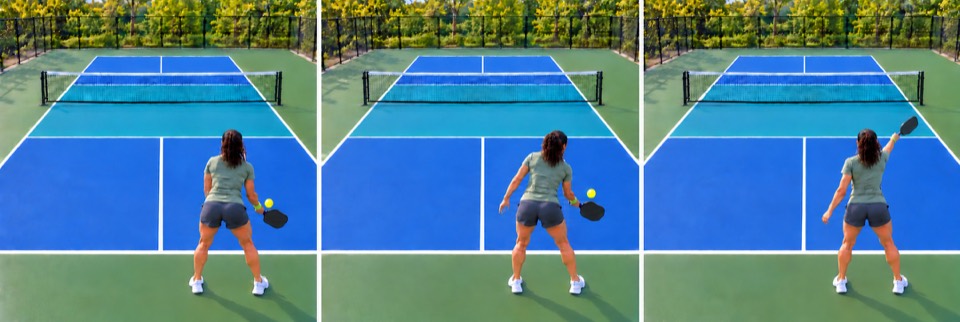
Make the release and bounce reliable before asking the swing to do more. A partner can see whether the ball was allowed to fall naturally and whether the bounce left comfortable contact space.
Practise a deep, controlled return that gives you time to move. The purpose is a useful start to the receiving rally, with enough margin to survive a different serve.
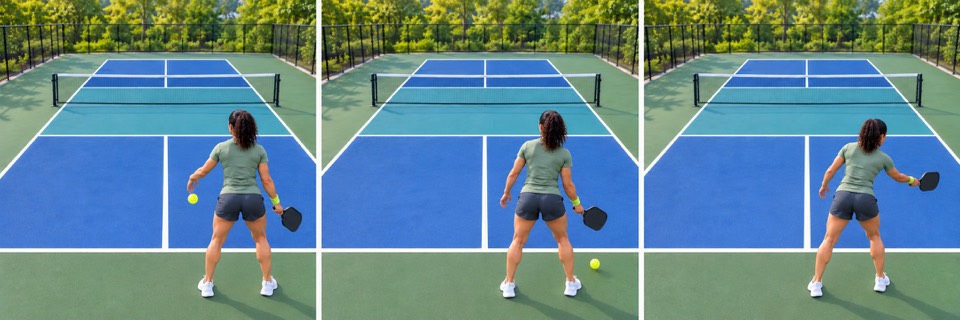
Use predictable bounce feeds to find space for your forehand, then add a real recovery. Keeping the same landing target makes it easier to see whether a change in preparation actually helps.
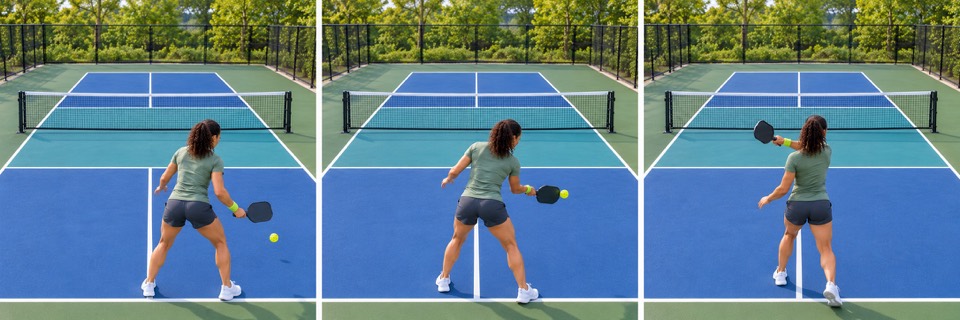
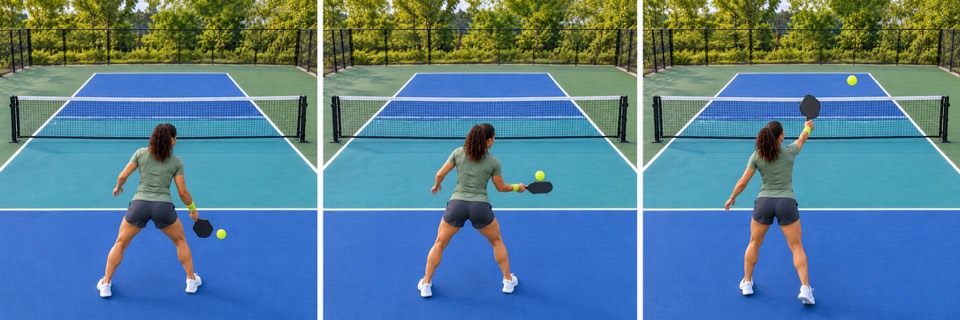
Give the one-handed backhand its own repetitions instead of avoiding it. This session keeps the paddle in your dominant hand and builds from a comfortable contact to a choice between both sides.
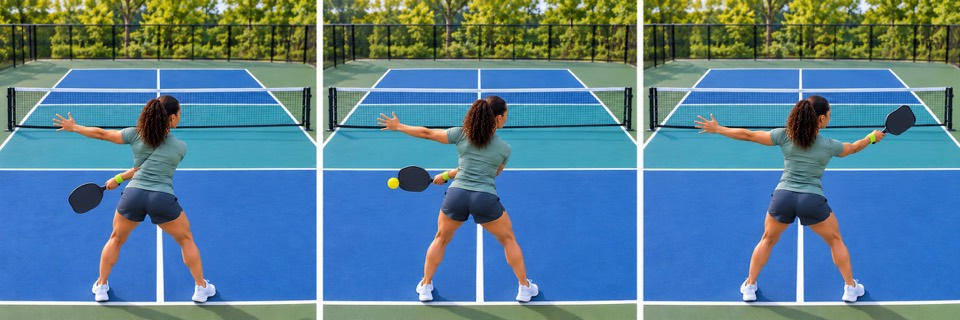
Test whether two hands give you a comfortable, repeatable contact. Use cooperative feeds so the second hand supports a coordinated turn rather than hiding poor spacing.
Add shape to a controlled drive without losing forward travel or net clearance. This session rewards a useful next ball rather than the hardest possible first shot.
Build a soft forehand exchange you can repeat, then add a small change of placement. Your partner’s job is to make a useful bounce available, rather than win the drill.
Practise the backhand kitchen contact without stepping around every ball. A slow cooperative exchange lets you establish space beside the hip before you add depth or width.
Use the diagonal to move a partner while protecting the next reply. This session changes one target at a time so width does not become an excuse for missing the sideline.
Work backwards from a manageable soft shot to the baseline third shot. Your partner gives feedback about attackability as well as whether the ball happens to land in the kitchen.
Give the soft backhand a repeatable contact window before attempting it from the full baseline. A controlled target is more useful than a last-second scoop from a crowded bounce.
Connect your third shot to the reply instead of treating the rally as finished. This partner drill practises a soft fifth from the position you actually reached.
Learn to reduce pace from the transition area and make the opponent play up. Start with feeds that permit a quiet contact before you add movement or a harder drive.
Practise a quiet response to a bounce close to your feet. The first goal is an organised paddle and balanced contact, not adding speed from a difficult low ball.
Use the opponent’s pace without giving away an easy next attack. This drill works best when the feeder controls speed and the blocker can repeat a compact response.
Add a measured backhand punch to a ball that permits it. The feeder should help you recognise when a block is the better option rather than reward a big swing at every volley.
Build a compact low-to-high volley and a sensible decision about when to use it. This is a placement-and-recovery task before it becomes an attacking contest.
Use a predictable feed to establish a compact backhand attack, then practise leaving unsuitable balls soft. Keep the dominant hand on the paddle throughout the crossing action.
Practise being ready after an opponent attacks. The task is a controlled reply and recovery, rather than escalating a cooperative drill until neither player can react safely.
Make the attack a choice tied to a suitable ball. This session practises placement and readiness for the counter rather than rewarding any fast ball that surprises a cooperative partner.
Start with controlled placement and balanced movement under a reachable ball. A safe predictable feed is essential; the task should not make players run backwards through loose balls.
Practise a controlled lift with a useful landing margin and a reason to choose it. Your partner’s overhead feedback matters more than merely observing a high ball.
Make the next contact easier by arriving with room and balance. This partner task progresses from predictable small adjustments to reading a modest change in direction.