Speed up with a plan for the next ball
Select a balanced attack from the kitchen and recover with your partner ready for the counter.
Understand the job.
A speed-up changes a soft exchange into a faster one. The decision should include contact quality, opponent position and your own recovery. This lesson uses a bounce attack; the forehand photo study illustrates the contact and finish rather than a particular target.
Forehand movement study
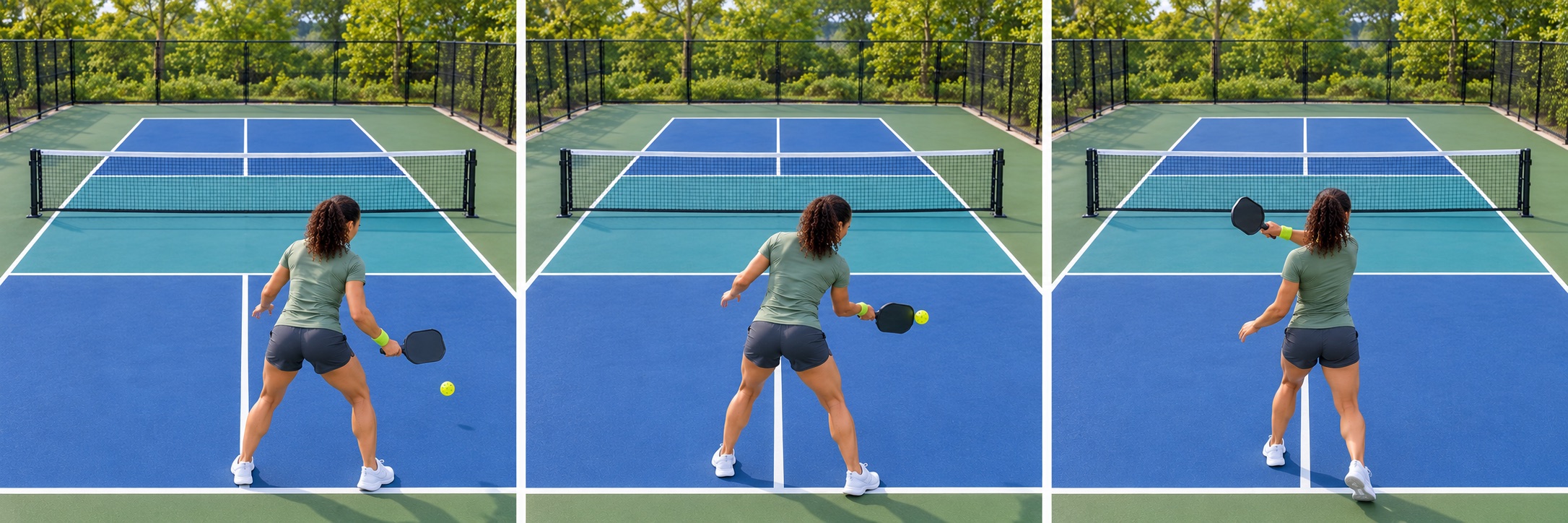
AI-generated movement study showing a fictional player from behind, facing the net. The lime band identifies the same right paddle wrist in every frame. Two-handed backhands add the bare left hand above the right on the handle. Use the written steps for technique and official rules for legality. Left-handed players reverse side-specific cues where appropriate.
Position, contact, recovery.
Where the movement starts
A baseline groundstroke is played after a bounce. Make space on your paddle-hand side, with the net and intended target ahead. You can turn your shoulders during preparation without turning the shot away from the playing court.
Read the contact
For the illustrated right-handed player, forehand contact is to her right and forward of her hip. The same right hand keeps the paddle through the finish across the body. Left-handed players reverse these side-specific cues.
Check it with a partner
Use an easy feed that gives time to organise the feet. If contact drifts behind your hip, reduce feed speed and prepare earlier. First judge comfortable spacing and a broad target; add pace only after those are repeatable.
Official court dimensions ↗Step by step.
- 01
Earn a comfortable contact
Look for enough height and room to swing compactly. Keep dinking when you are stretched or the ball is too low for a controlled lane. Avoid choosing the attack before reading the bounce.
- 02
Choose a lane with margin
Send the ball through an available space or manageable target. Use controlled speed and keep it in court. Practise with partners at a pace and distance everyone agrees to.
- 03
Prepare together for the counter
Recover the paddle immediately and let your partner know the pattern in practice. Cover the likely reply instead of admiring the attack.
When it goes wrong.
Attacking from below a comfortable height
Reset and wait for a more suitable ball.
Only practising the first hit
Include the opponent’s response and your next contact.
Practise this with a partner.
Begin with cooperative dinks at the kitchen. Agree a safe broad target away from the face and a manageable attack pace. The defender prepares to block rather than stand passively.
Start here: During ten short exchanges, call attack or soft before contact. Only speed up a ball you can meet comfortably in front. The partner can question the choice before either player counts a success.
Open all three rounds, a solo option and four-player rotation ↗Dink, choose, recover
A suggested BracketReady practice task. The counts are your observations, not a skill-rating test.
Set it up
Cooperative kitchen partners; start every rally with four dinks.
Do the work
After four dinks, choose whether to continue soft or use a controlled speed-up. Count attacks that stay in and leave you ready for the first reply.
Count this
In-court attacks followed by a ready response position. Record attempts and target hits using the same definition throughout.
Log this practice in Matchday ↗Sign in to save. Existing practice-log allowances apply. Log sessions you actually completed.Make it fit your level.
Use an announced comfortable feed for the attack.
Play full doubles exchanges with normal counter options.
Let either player choose when a suitable ball appears.
Know what you are reading.
Original BracketReady explanation and practice design from the BracketReady learning desk, with the technique reference below. For individual technique feedback, work with a qualified coach.
Photo sequences use a consistent fictional player, wardrobe, equipment and court. Some guides share a relevant movement study; the written lesson explains the specific variation.
References checked 23 October 2026. Event rules and official updates take precedence.
Your next useful read.
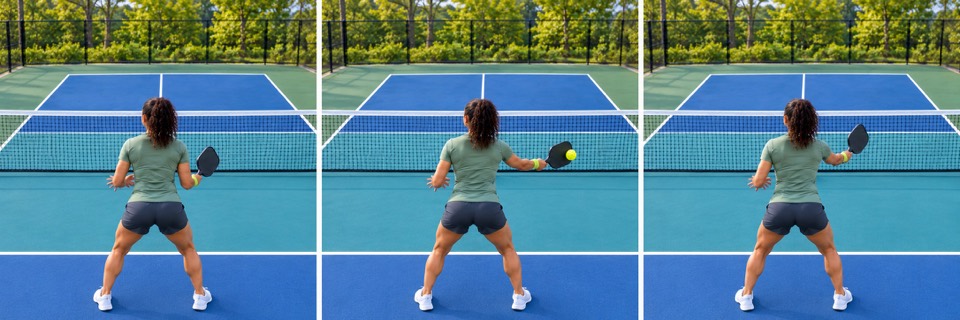
Block a fast ball with a quieter paddle
Absorb a manageable drive, reduce the backswing and guide a defensive volley into the kitchen.
Use a compact punch volley with a clear target
Redirect a comfortable higher ball with a short forward action and quick paddle recovery.
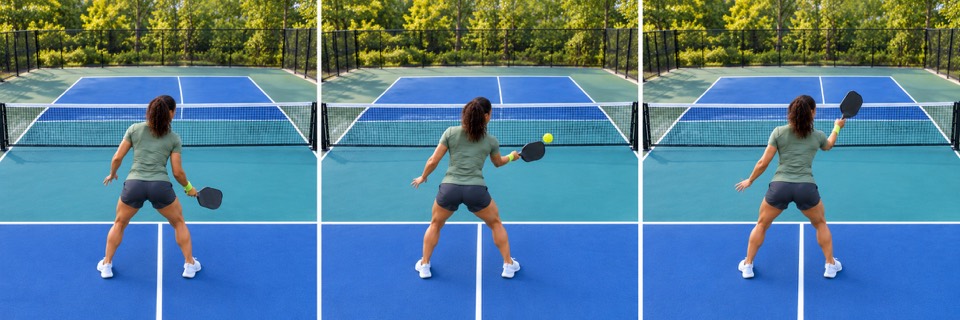
Make the forehand volley compact and reliable
Meet a comfortable forehand ball in front, choose block or punch and recover outside the kitchen.