Pickleball dinking: control the kitchen exchange
Build forehand, backhand and cross-court dinks with clear technique, partner feeds, a volley option and a 45-minute kitchen practice plan.
Choose a practice task ↓Start with the job of the shot.
Dinking is a placement and decision skill. A soft bounce shot into the opposing kitchen can keep the next exchange manageable, move an opponent or make a later attack possible. Learn a repeatable contact before chasing an extreme angle.
Your feet create contact space and your recovery prepares the next ball. Practise forehand and backhand separately, then connect them. A ball that lands in the kitchen may still be high enough to attack, so ask a partner to judge the reply as well as the landing.
Build it in three stages.
- 01
Build a cooperative rhythm
Start with generous targets and suitable bounce feeds. Keep the contact in front and restart softly when the feed is unsuitable. The aim is useful repetitions for both players rather than winning the warm-up.
- 02
Change one placement
Add a middle or diagonal target while keeping the feed pace similar. Change width or depth deliberately, then notice whether it actually creates movement. Leave margin inside the sideline.
- 03
Add a choice
Mix a deeper ball into the exchange and choose a bounce or legal volley. Keep an awkward ball neutral rather than attacking automatically. The partner kitchen session connects these choices to a manageable speed-up.
Understand the technique.
All coaching guides ↗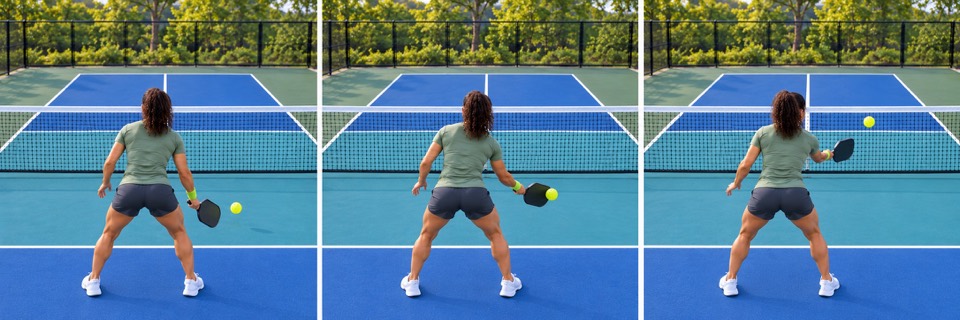
A forehand dink with shape and patience
Learn a compact soft contact, usable net clearance and recovery at the kitchen line.
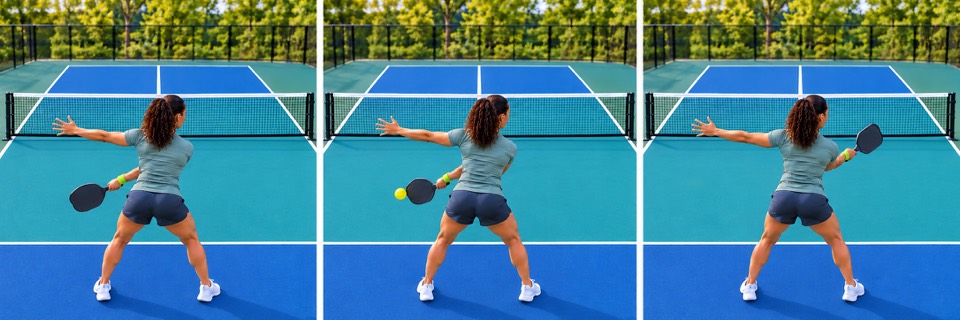
Build a backhand dink you trust
Keep backhand kitchen contacts compact with early preparation, room beside the body and a quiet finish.
Cross-court dinking without chasing the sideline
Move opponents with placement while keeping your own balance and middle coverage.
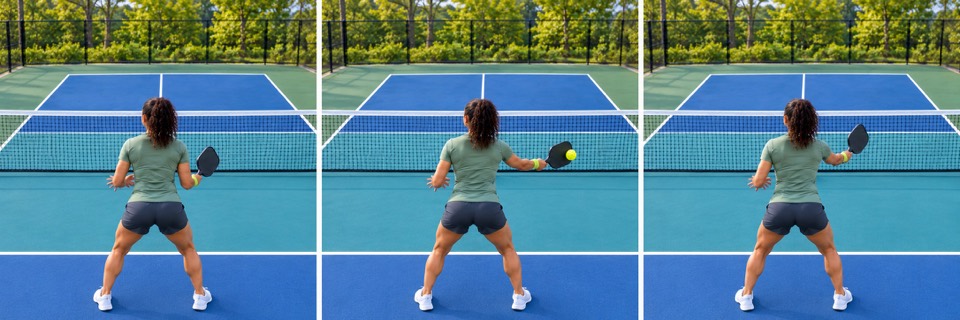
Take a dink out of the air when it helps
Choose between a volley dink and a bounce without reaching into a kitchen fault or losing balance.
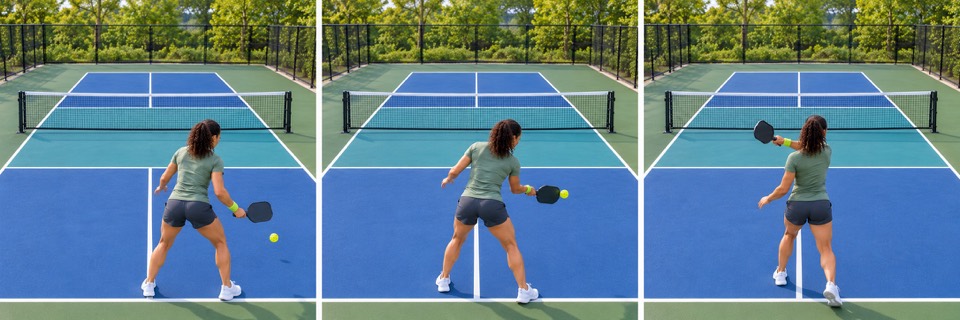
Speed up with a plan for the next ball
Select a balanced attack from the kitchen and recover with your partner ready for the counter.
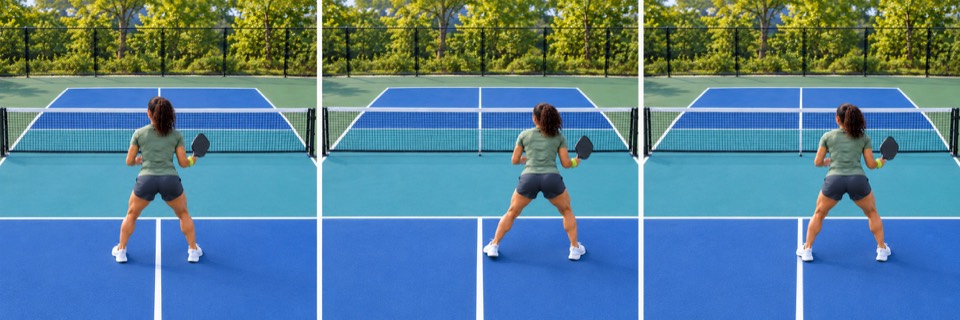
Move as a doubles team, not two separate players
Connect serve, return, transition and kitchen coverage with your partner’s actual position.
Take it into practice.
All improvement drills ↗Improve your forehand dink
Build a soft forehand exchange you can repeat, then add a small change of placement. Your partner’s job is to make a useful bounce available, rather than win the drill.
Improve your backhand dink
Practise the backhand kitchen contact without stepping around every ball. A slow cooperative exchange lets you establish space beside the hip before you add depth or width.
Improve your cross-court dinking
Use the diagonal to move a partner while protecting the next reply. This session changes one target at a time so width does not become an excuse for missing the sideline.
Improve your speed-up
Make the attack a choice tied to a suitable ball. This session practises placement and readiness for the counter rather than rewarding any fast ball that surprises a cooperative partner.
Make room for a full session.
45-minute partner kitchen session
Connect forehand and backhand dinks to a deliberate attack choice and a ready counter.
Improver / intermediateOpen timed session ↗Questions players ask.
Can I step into the kitchen to play a dink?
You may enter to play a ball after it bounces. Recover clear of the zone and its line before your next volley, and follow the current official non-volley-zone rules for momentum and re-establishing your feet.
Should every dink be cross-court?
No. Start with a target you can repeat, then use middle and diagonal placements with a reason. An extreme angle can expose the reply or leave you stretched.
Original practice. Clear references.
Curated by the BracketReady learning desk. Technique guides link the relevant primary references and explain common mistakes. Practice designs and learning paths are editorial suggestions, not official ratings or coaching certification.
Editorial standards and corrections ↗