Pickleball volleys: block, punch, roll or counter
Choose a suitable pickleball volley and recover for the next ball. Learn blocks, punches, rolls, flicks and counters with practical partner drills.
Choose a practice task ↓Start with the job of the shot.
A volley is played before the bounce. The useful response depends on contact height, incoming pace, space and time to recover. A low hard ball may call for a block; a comfortable higher ball can offer a measured punch or compact attack.
Start with manageable feeds rather than an escalating reaction contest. Keep feet and volley momentum clear of the kitchen and its line. Use a broad target, agree a safe feed pace and judge whether the paddle returns in time for the next contact.
Build it in three stages.
- 01
Keep preparation compact
Begin with predictable feeds and a short blocking action. Meet the ball with a stable face and recover. Avoid a large backswing that leaves the next contact unavailable.
- 02
Add a suitable attack
Use a controlled punch, roll or backhand flick on a comfortable feed. Expect a block or counter instead of assuming a winner. Track target placement separately from winning the exchange.
- 03
Practise rejecting the attack
Mix an awkward low ball with an attackable one. Keep the difficult contact soft. Score the decision before the result so an accidental winner does not reward a poor repeated choice.
Understand the technique.
All coaching guides ↗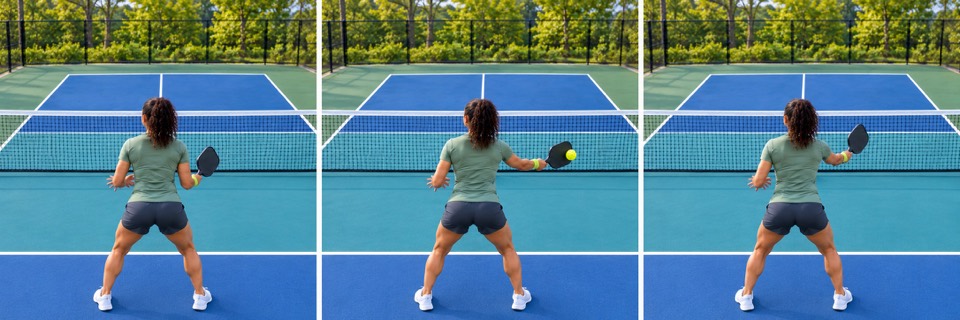
Block a fast ball with a quieter paddle
Absorb a manageable drive, reduce the backswing and guide a defensive volley into the kitchen.
Use a compact punch volley with a clear target
Redirect a comfortable higher ball with a short forward action and quick paddle recovery.
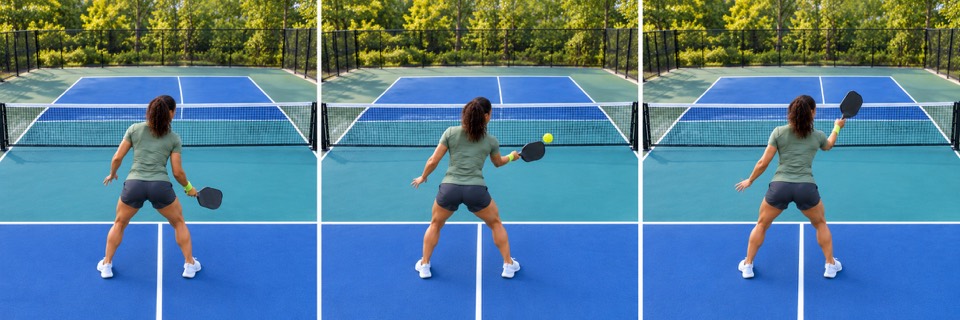
Make the forehand volley compact and reliable
Meet a comfortable forehand ball in front, choose block or punch and recover outside the kitchen.
Add a compact topspin roll volley
Use a controlled low-to-high volley path and recover for the counter without reaching into the kitchen.
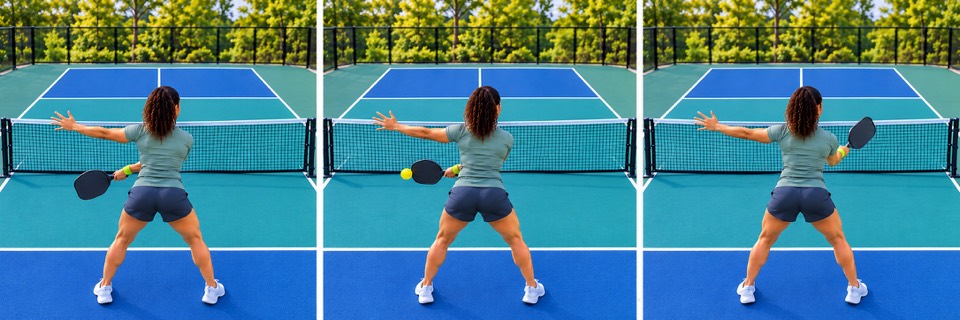
Introduce the backhand flick carefully
Explore a short backhand acceleration from a manageable ball while retaining a reliable block and recovery.
Counterattack when the ball gives you time
Distinguish a balanced counter from a defensive block and keep the next exchange manageable.
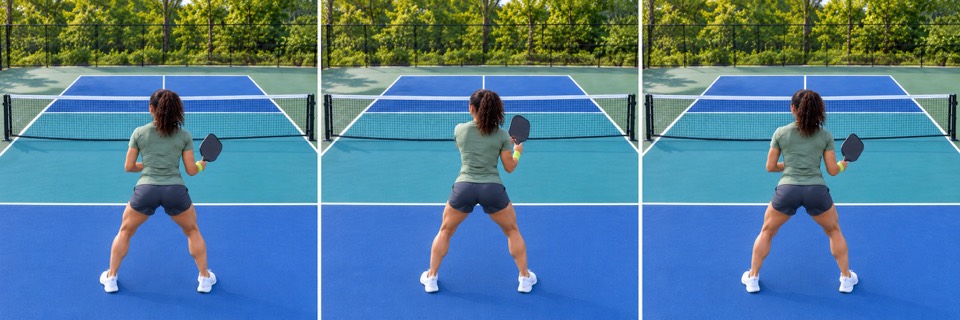
Learn when to let a fast ball go
Practise judging pace and trajectory without turning the decision into a rigid shoulder-height rule.
Take it into practice.
All improvement drills ↗Improve your block volley
Use the opponent’s pace without giving away an easy next attack. This drill works best when the feeder controls speed and the blocker can repeat a compact response.
Improve your punch volley
Add a measured backhand punch to a ball that permits it. The feeder should help you recognise when a block is the better option rather than reward a big swing at every volley.
Improve your roll volley
Build a compact low-to-high volley and a sensible decision about when to use it. This is a placement-and-recovery task before it becomes an attacking contest.
Improve your backhand flick
Use a predictable feed to establish a compact backhand attack, then practise leaving unsuitable balls soft. Keep the dominant hand on the paddle throughout the crossing action.
Improve your counterattack
Practise being ready after an opponent attacks. The task is a controlled reply and recovery, rather than escalating a cooperative drill until neither player can react safely.
Make room for a full session.
45-minute partner kitchen session
Connect forehand and backhand dinks to a deliberate attack choice and a ready counter.
Improver / intermediateOpen timed session ↗Questions players ask.
What is the difference between a block and a punch volley?
A block primarily controls or absorbs incoming pace with a quiet paddle. A punch adds a short forward action to a suitable ball. The incoming pace and contact window guide the choice.
How can I practise faster hands?
First organise the paddle in front and shorten recovery at a manageable pace. Add uncertainty gradually with a partner. Increasing feed speed beyond a comfortable response can hide preparation problems.
Original practice. Clear references.
Curated by the BracketReady learning desk. Technique guides link the relevant primary references and explain common mistakes. Practice designs and learning paths are editorial suggestions, not official ratings or coaching certification.
Editorial standards and corrections ↗